
Save your minutes with Minute By Minute.
-
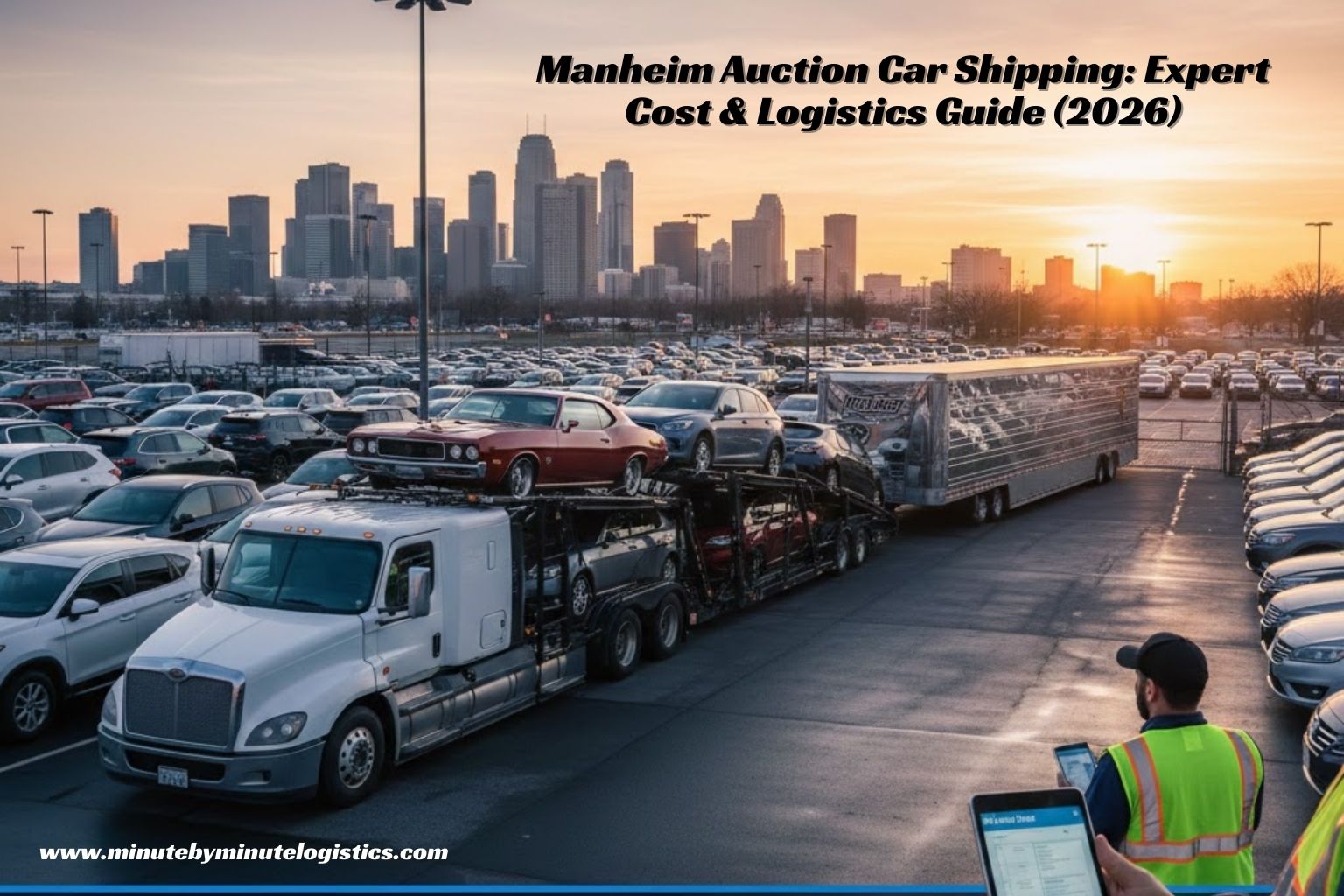
Manheim Auction Car Shipping: Expert Cost & Logistics Guide
Winning a bid at a Manheim Auto Auction is an adrenaline rush, but the real work begins once the gavel drops. Whether you are a dealer in Dallas, TX, or a private buyer shipping from Manheim, PA, the logistics of moving a vehicle off the auction lot can be a minefield of storage fees and…
-

Who Saves More on Auto Transport: Broker or Carrier?
When you need to move your vehicle from Miami, Florida, to Seattle, Washington, the first question isn’t just “how much,” but “who do I trust?” The auto transport industry is divided into two camps: Brokers and Carriers. While it’s tempting to think cutting out the “middleman” (the broker) saves you the most money, the reality…
-

2026 Auto Transport Price Index: Cost Trends for Shipping a Car
Navigating the logistics of vehicle relocation in 2026 requires more than just a quick quote. As fuel prices stabilize and AI-driven route optimization becomes the industry standard, the 2026 Auto Transport Price Index shows a year of “cautious stability.” For homeowners, collectors, and businesses, understanding the shifting costs of cross country car transportation is essential…
-
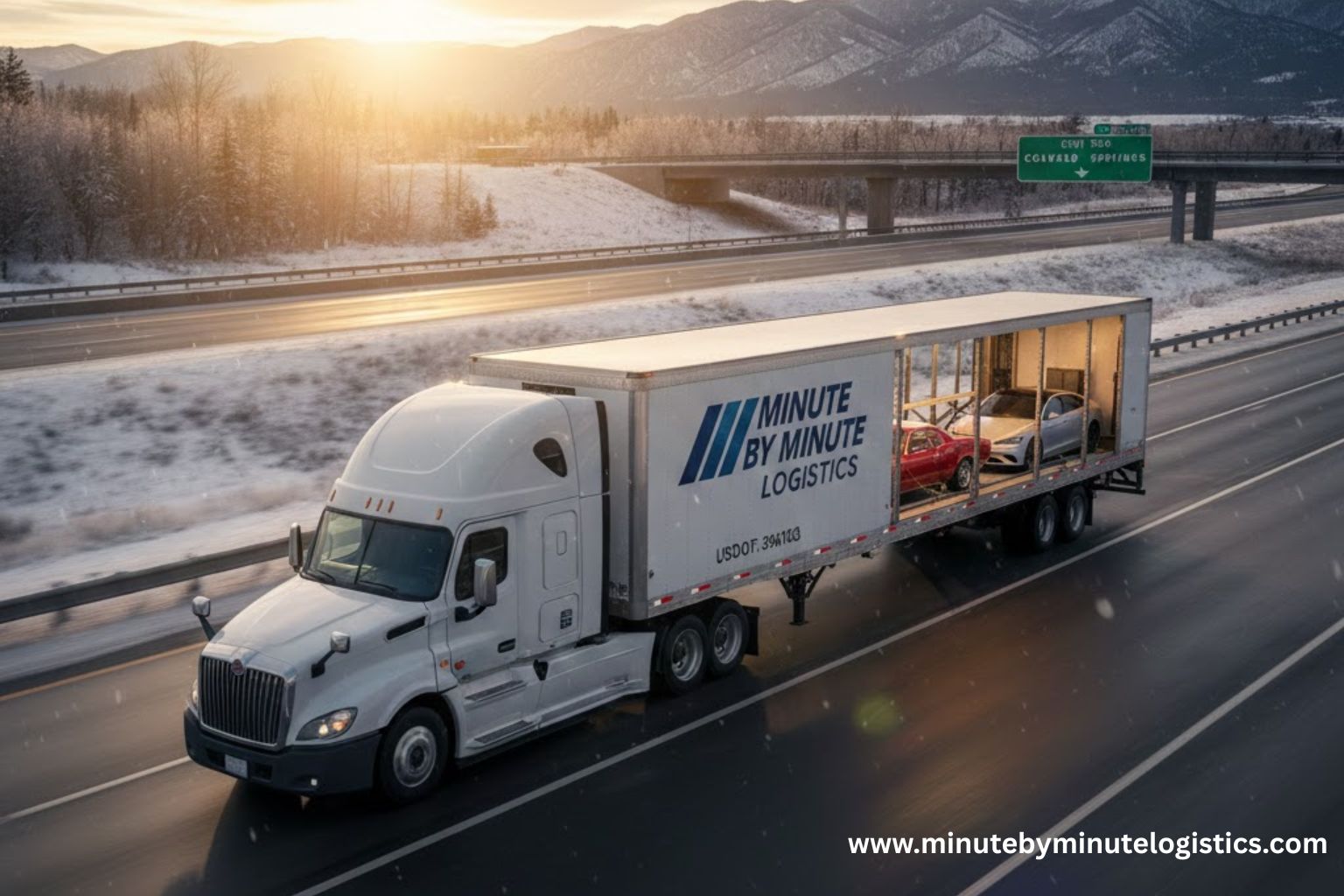
Ship a Car Across the U.S. | Instant Quotes & Insured Transport
Getting a car from one state to another is honestly more than just ticking off a to-do list. It’s about making sure you don’t have to worry. Maybe you’re off to start a new job in Austin, or you’ve finally found that classic car you always wanted from someone in New York. Either way, you…
-
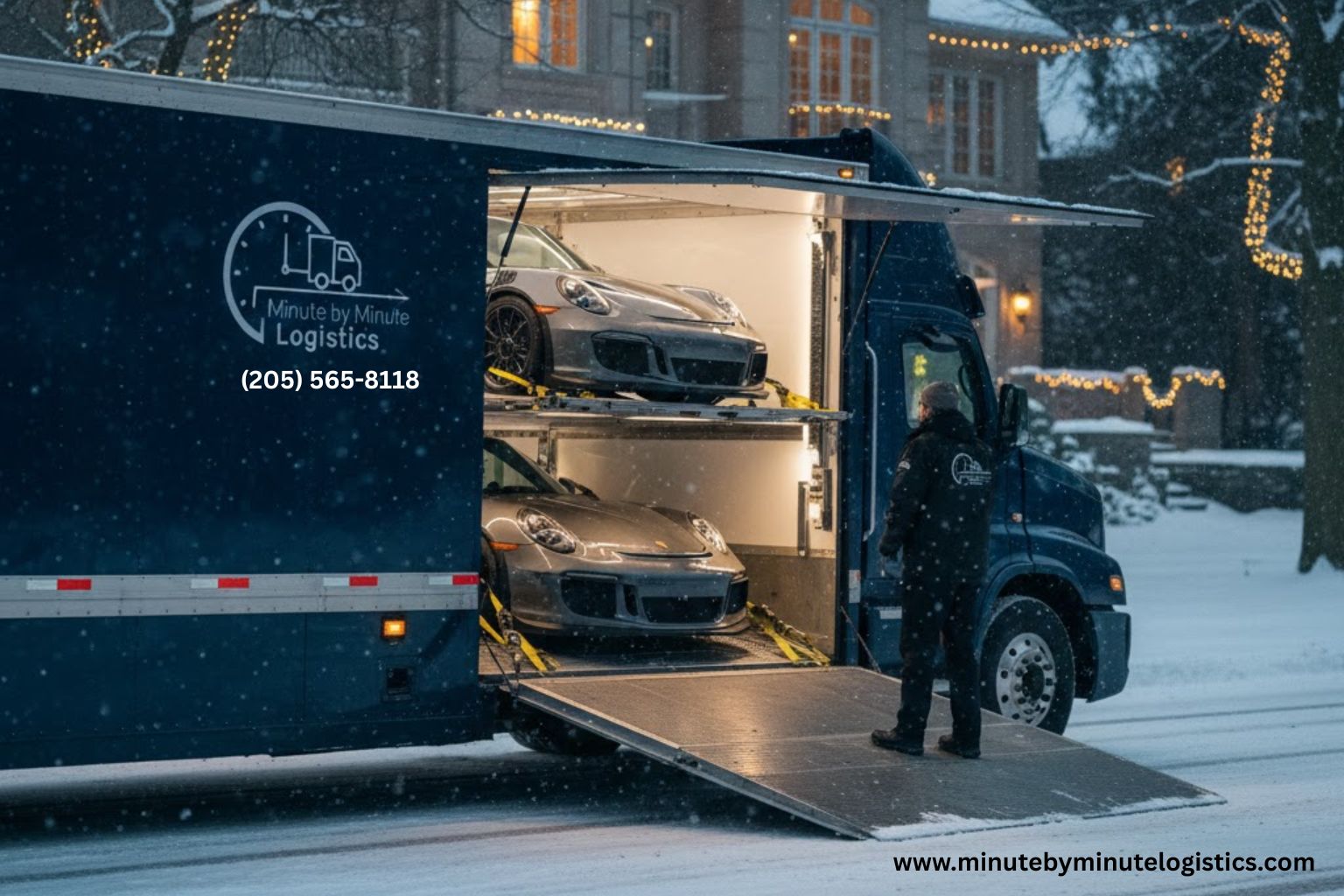
Safe, Fully Enclosed Shipping for Luxury Cars Across the USA
When temperatures fall and “Snow Belt” states—from New York and Michigan to Colorado’s mountain passes—are blanketed in white, vehicle shipping changes. For luxury car owners, winter brings not only the cold but the threat of magnesium chloride (road salt), the abrasiveness of frozen slush, and the weight of ice. Standard transport may be fine in…
-
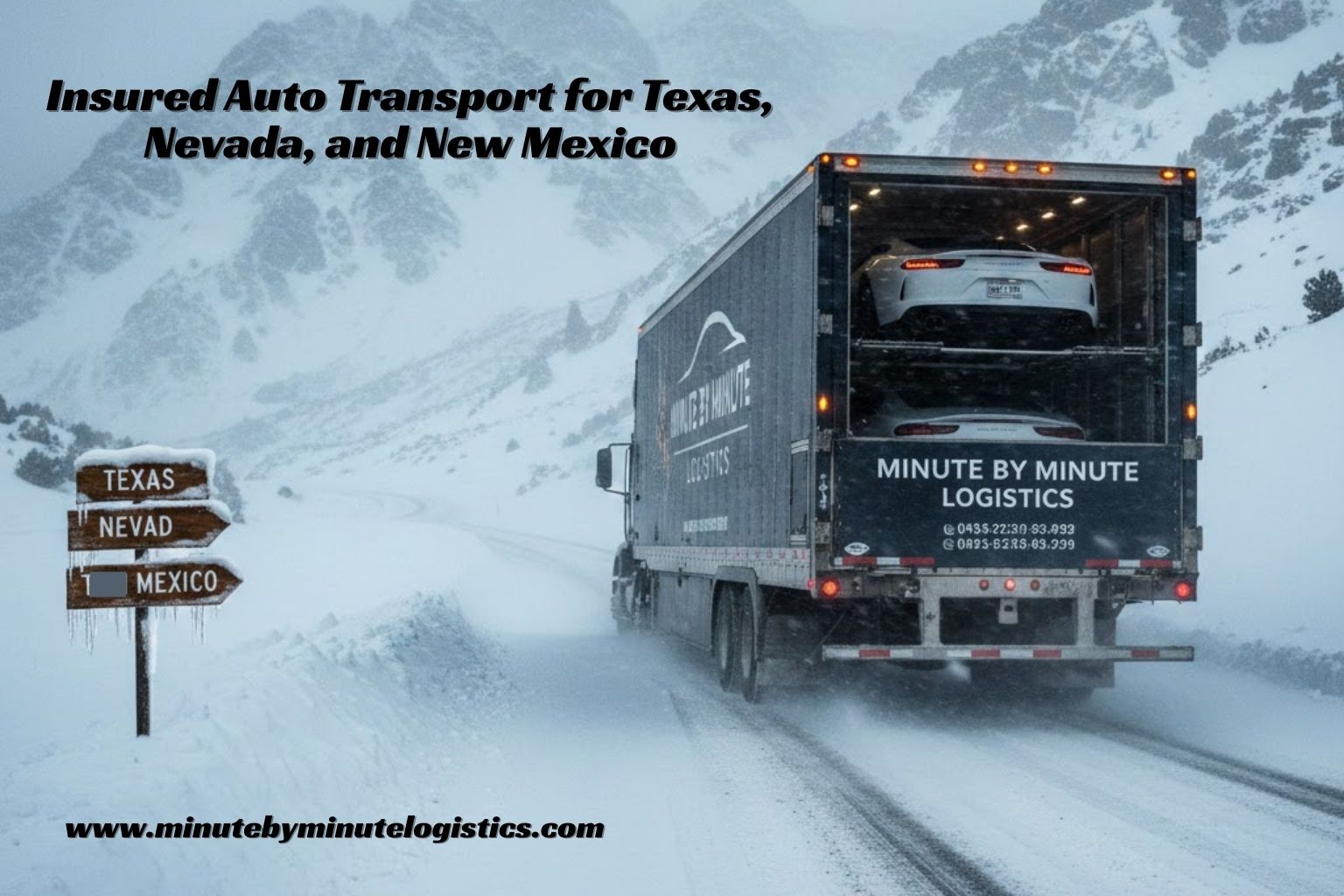
Insured Auto Transport for Texas, Nevada, and New Mexico
Shipping a vehicle during a harsh North American winter requires more than just a truck and a trailer; it requires a strategy. With the January 2026 winter storms bringing record-breaking snowfall to New Mexico and hazardous ice to the Texas panhandle, “standard” shipping just won’t cut it. Whether you are relocating to Las Vegas, sending…
-
Safely Ship Your Car to Florida (Miami, Key West, Orlando)
Escaping to Florida’s warmth is a dream for many, but winter vehicle moves in 2026 bring unique risks. Driving through snow and ice can be daunting and dangerous for both you and your car. Professional cross-country car shipping services provide a safe alternative. This guide covers how to ship your car south securely during winter.…
-
Cross Country Car Shipping: Easy Steps from Start to Finish
Moving a vehicle across the country can feel like a logistical mountain to climb. Whether you’re moving for a career in Texas, buying a vintage dream car from California, or sending a vehicle to a student in New York, the process needs to be handled with precision. As an established name in the industry, Minute…
-
Insured Open & Enclosed Shipping | Texas | Florida | Michigan
Moving a vehicle across the country is a high-stakes transaction. Whether you are relocating for a job in Houston, heading to Miami for the winter, or sending a car to the automotive hub of Detroit, you aren’t just buying a transport service—you are purchasing the assurance that your vehicle won’t arrive with a cracked windshield…
-
Fast, Insured Car Shipping from Florida | Texas | Manheim, PA
Moving a vehicle across the country is a high-stakes task that requires more than just a truck; it requires a strategy built on safety, speed, and reliability. Whether you are relocating for a new job in Austin, heading to the sunny shores of West Palm Beach, or managing high-volume dealer inventory near Manheim, PA, getting…